Like many Praguers, I now spend much more time in a neighborhood on the left bank called Holešovice. A contemporary artmuseum , cultural centers, restaurants, and electronic music clubs have recently made this industrial-era neighborhood very attractive.Pragueis a large city where places of interest are not limited to the tourist center. That’s why I recommend getting away from the tourist crowds and enjoying Prague like the Czechs do by visiting this trendy neighborhood. You can even stay in Holešovice to live like a local. Students have cottoned on to this and have recently been flocking to the neighborhood. In the near future, the Vltava Philharmonic (Vltavská filharmonie), Prague’s major architectural project for the coming years, will also be built in Holešovice. The first concerts could take place there in 2032 in what will also be a large cultural center with terraces, cafes, and restaurants.
This former industrial suburb is Prague’s new trendy neighborhood!
If you are staying in Prague for more than just a weekend and have already visited Charles Bridge, the Old Town and its clock, the Jewish Quarter, the Castle, Wenceslas Square and its arcades, the bourgeois neighborhood of Vinohrady and the more working-class neighborhood of Žížkov, you may find yourself wondering, «What to visit now?» Head to Holešovice! This former industrial district is undergoing a transformation and is now a cool neighborhood (voted the 7th coolest neighborhood in Europe in 2020 by The Guardian and the 20th coolest neighborhood in the world by Time Out), even if it’s not all spick and span and a far cry from Baroque Prague. In fact, over the past decade, creative entrepreneurs have taken advantage of low rents and empty spaces to create a vibrant infrastructure of galleries, shops, cafes, bars, and clubs. This neighborhood may not appeal to all tourists. However, if you’re a party animal, you’ll appreciate its many alternative venues. In this article, I’ll share my top picks for places to visit, eat, drink, or dance in Holešovice.
The Holešovice neighborhood in Prague 7
Located north of the Old Town, on the other side of Charles Bridge, theHolešovice districtincludes the Letná district and its famous park (with a bird’s eye view of Prague) but also, further north, the gigantic Stromovka park ( 89 hectares). Letná is also home to the red metronome that dominates the hill at the top of a monumental staircase. This metronome is clearly visible from the very chic Pařížská Street . In 1991 , the metronome replaced a gigantic statue dedicated to Stalin, which was destroyed in 1962. And to conclude the history of the Cold War in the district, Che Guevara is also said to have stayed clandestinely in Letná for several months in 1966…
Letná Hill retains serious advantages over a neighboring neighborhood that is booming.
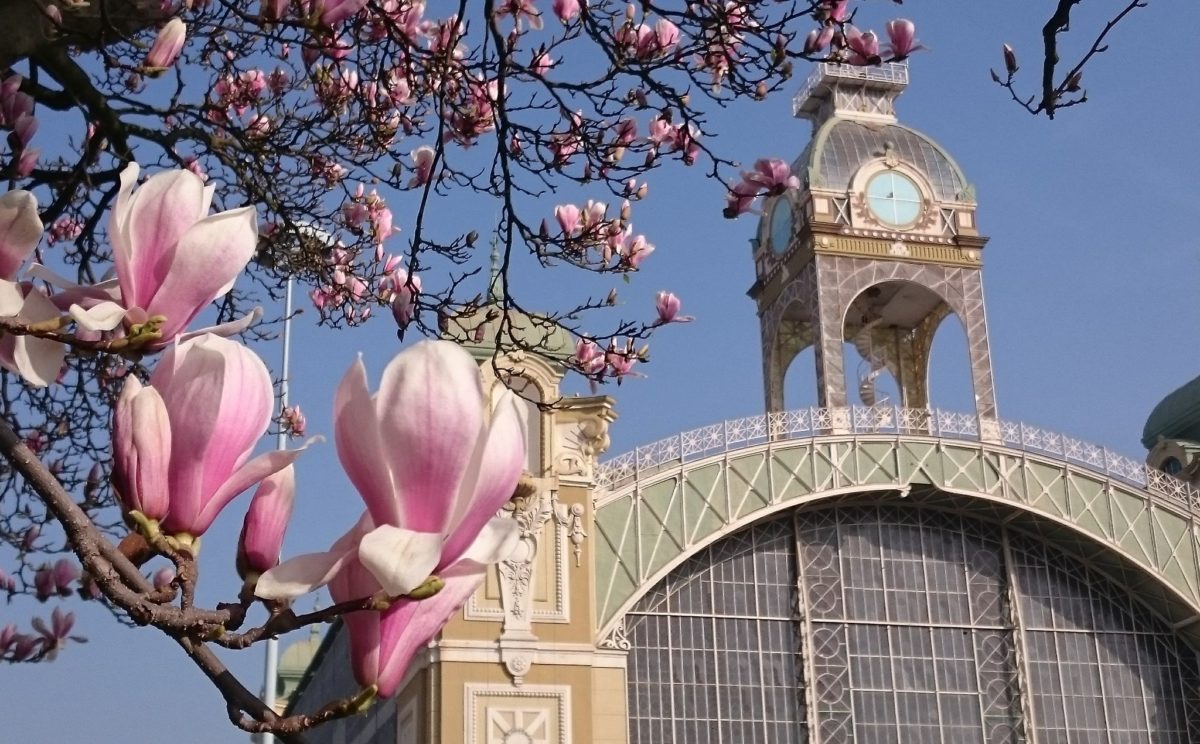
Other attractions in the neighborhood include the National Technical Museum, the constructivist-style Exhibition Palace, which houses the National Gallery’s modern art collections, and the Art Nouveau-style Exhibition Grounds (Výstaviště), built for the 1891 Prague World’s Fair, where trade shows, exhibitions and a funfair in the spring (during the communist era, party congresses were held in the building, and for a time it flew a red star at the top instead of the original royal crown), the Letná ice rink in winter, and the Letní Letná marquees in summer (contemporary circus), one of the coolest festivals in Prague…Also in Letná Park, you can dine in the fabulous neo-baroque setting of the Hanavský Pavilion, which was moved there at the end of the World’s Fair. Go there, the place and the view are worth seeing! It’s also a good idea to book your accommodation in this district of Prague 7, for example at Mama Shelter, which has quickly become a benchmark hotel in Prague.
Holešovice, a trendy industrial district
But it is the eastern part of Holešovice that is now the most dynamic. It is here, in the bend of the river, in the former industrial Prague of the 19th century that has become residential, that the most change has taken place in recent years. To explore the neighborhood, head east of Strossmayer Square and its pretty neo-Gothic St. Anthony of Padua Church (1911).
A Prague neighborhood with a touch of Berlin!
Gone are the foundries, gasworks, slaughterhouses and breweries… Former warehouses have been converted into apartments and offices, but also and above all into contemporary art museums, electro clubs and trendy restaurants. The gentrified neighborhood has a slightly Berlin feel to it, especially as it also has wide sidewalks.
What to visit?
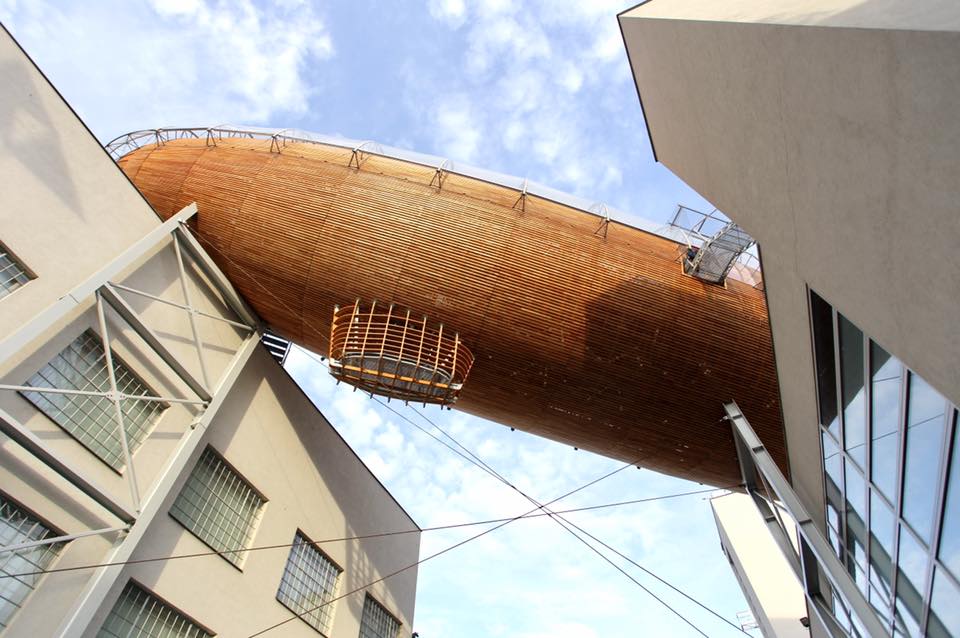
I recommend the DOX museum and its iconoclastic contemporary art program. You’ll remember this beautiful modern building (a former factory that has been redesigned) on which a large 42-meter Zeppelin has somehow come to rest. The Qubus boutique in the museum is also a good place to go for design in Prague. The Prague Market (Pražská tržnice), with its two bulls marking the entrance, covers a huge complex of over 100,000 m² located between Argentinská, Jateční, Komunardů streets and the Bubenský nábřeží embankment. Built between 1893 and 1895 by architect Josef Srdínek, the market served as the central slaughterhouse for the royal city of Prague until 1983. It then became a general market and was declared a cultural monument after ten years (Art Nouveau and Neo-Renaissance elements). The complex of 40 buildings is set to be revitalized in the coming years as part of an ambitious renovation project led by the city council. A cultural program has already begun in 2021 with a number of small festivals and many food trucks parked in the complex. You will also find a fruit and vegetable market in a covered hall, open every day except Saturday afternoons and Sundays (there is a very good Slovak bakery to the right of the entrance), as well as numerous stalls selling odds and ends (often run by members of the Vietnamese community, which has a strong presence in Prague).
Museums, theaters, or a bucolic stroll on an island
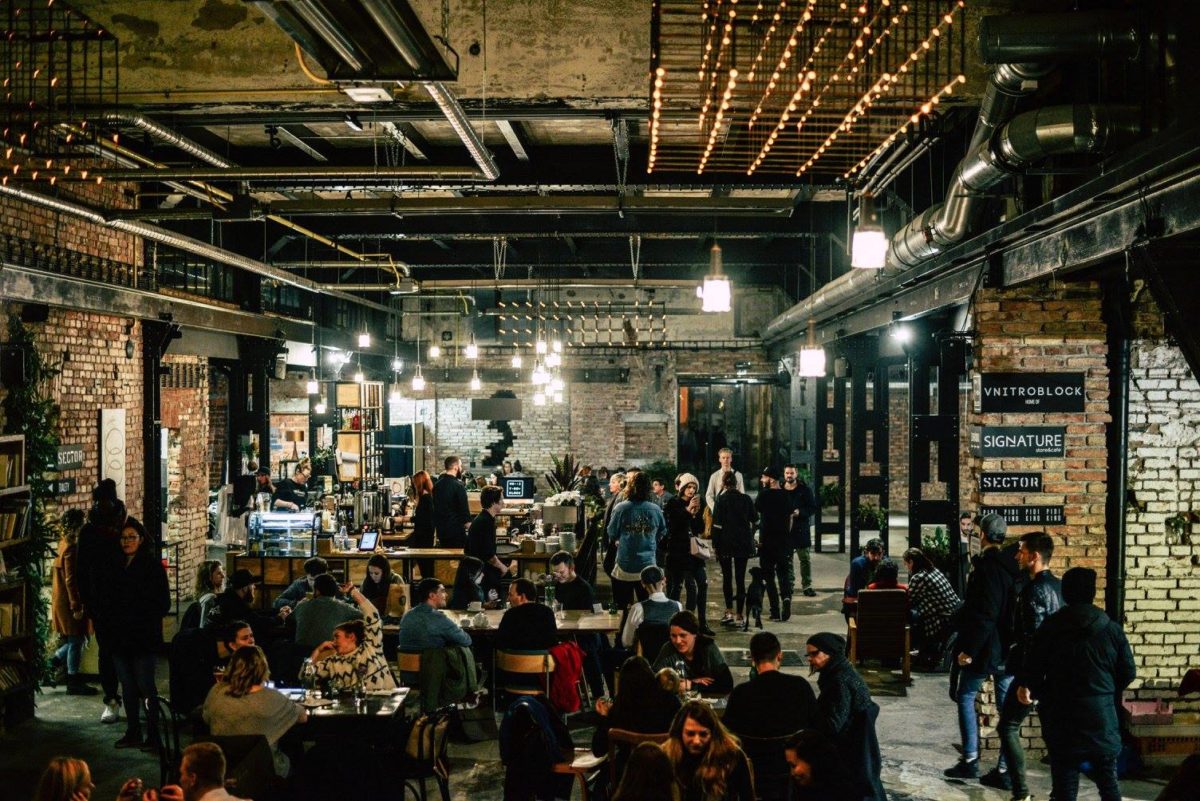
In the same complex, you will also find the Jatka 78 theater dedicated to contemporary circus and dance (program here). Nearby is another prominent theater, Fabrika, which also serves as a bar (with a lovely terrace at the foot of an iconic red brick chimney). I also like Vnitroblok. It’s an unusual place, somewhere between a cultural center and a concept store, a nice place to chill out and one that symbolizes the evolution of the neighborhood: a former industrial warehouse with a warm atmosphere. It has a café, a sneaker store, a mini cinema, a dance studio, a food truck, a gallery, and various workshops in the outdoor passageway (often with open mic or small concerts on Sunday afternoons). And for a walk off the beaten track, head to Štvanice Island and explore it from end to end before it is transformed. Many Praguers have never set foot there. On one side, there is a tennis stadium, a skate park, and a small pier at the far end; on the other, there is a cross-country course; and in the middle, there is a bridge leading to the right bank and the Karlín district, still in Prague 7.
Where to eat and shop in the neighborhood?
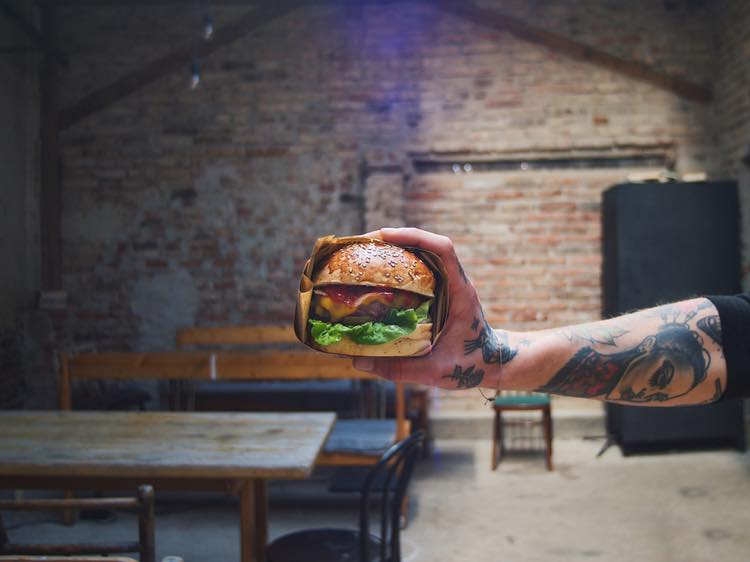
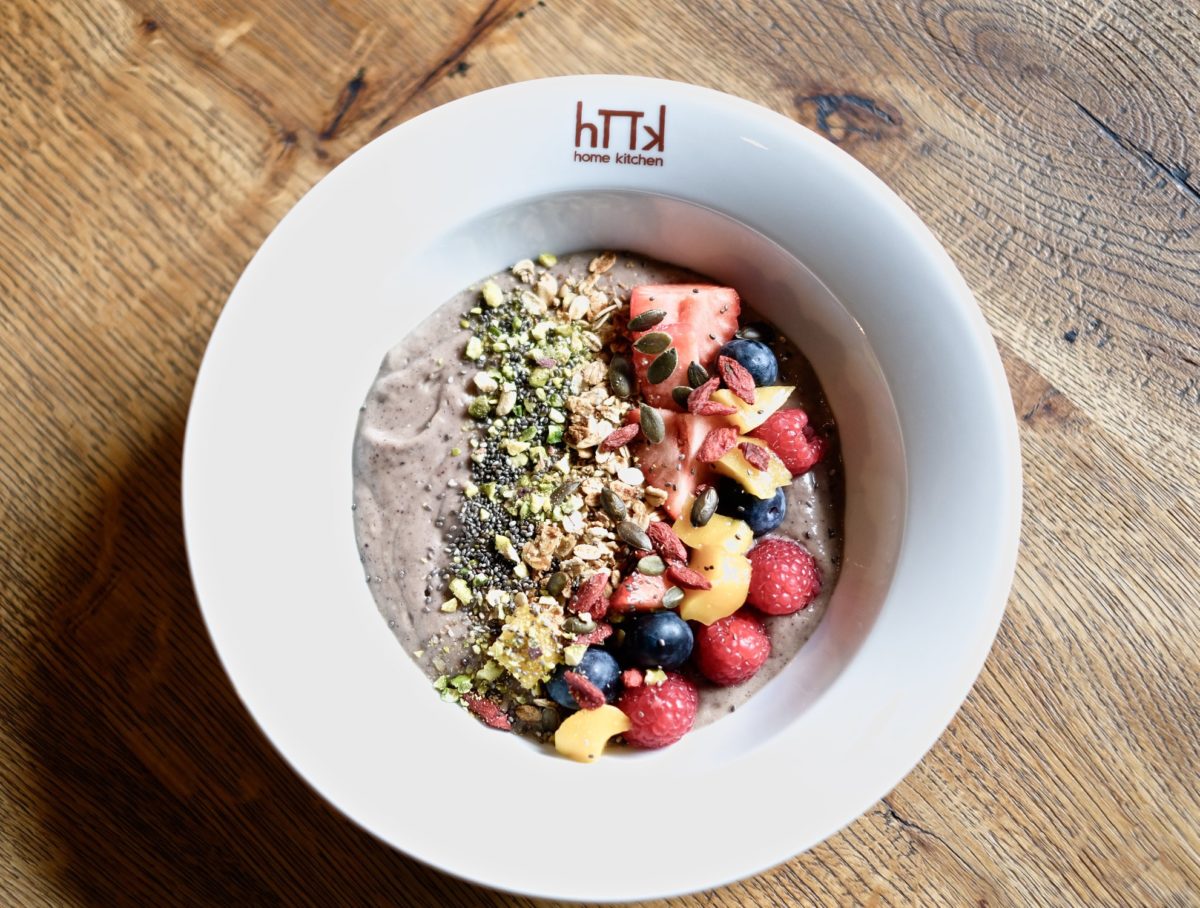
During your stroll through the Holešovice neighborhood, you may get hungry. Don’t panic! I have quite a few places to recommend. First of all, inside the Prague Market (see above) is a very reputable and pretty (but also a little expensive) Asian fusion restaurant called Sasazu. Not far from the river, Home Kitchen is a good, inexpensive restaurant with tasteful decor and inspired cuisine.
In the «industrial» district of Holešovice, many restaurants offer spacious settings and inspired cuisine.
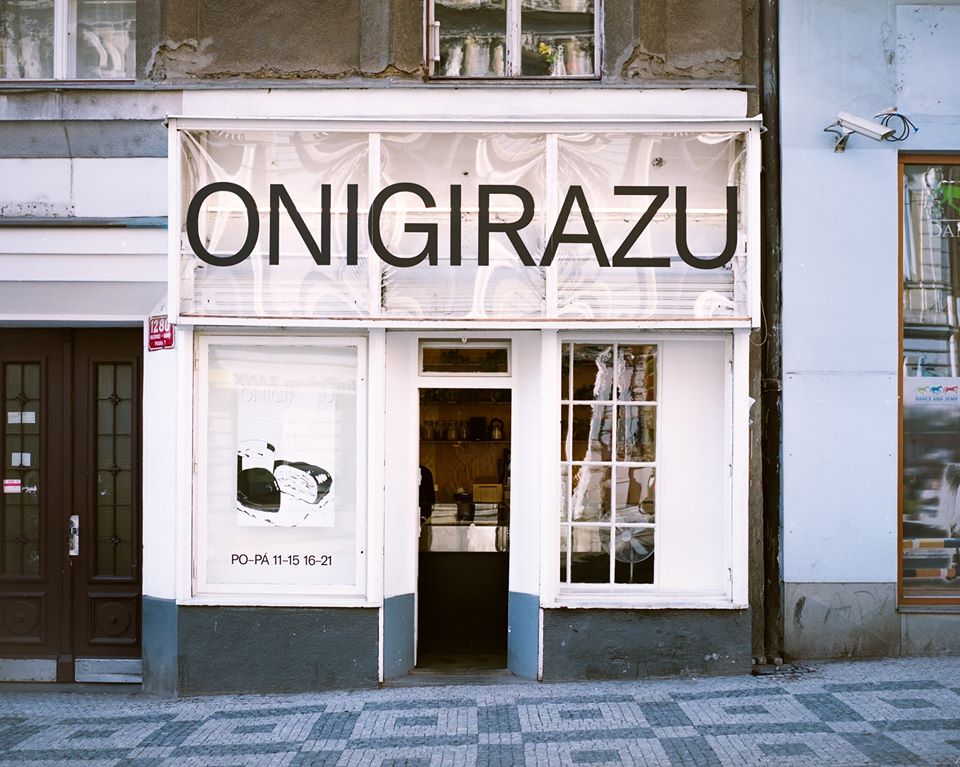
Finally, on the Letná side, you can also eat at very affordable prices in the park of the same name. For example, in the pretty Letenský zámeček«castle,» where many weddings and parties are held, set back from the beer garden that is so popular on sunny days (with a unique view of the whole of Prague!). Or at the Hanavský Pavilion, already mentioned above. Not to mention the Mama Shelter restaurant with its flashy pop decor, also mentioned in the introduction. For a quick bite, try the committed vegan Japanese bistro Onigirazu (delicious). Finally, for a sweet treat, Erhart Café is an old favorite (another pastry shop in Prague 3) where you can discover traditional Czech cakes.
When it comes to shopping, design takes center stage in the neighborhood. On Veverkova Street, Tvorba is a shared showroom showcasing the work of Czech designers. Right next door, on Milady Horákové Street, Nila offers eco-friendly designs that respect the environment and producers, Charaktery is also a great place for designer pieces, and Perfumed Prague (another shop in Prague 1) allows you to create your own perfume at a very reasonable price and by appointment!
Where to have a drink and dance?
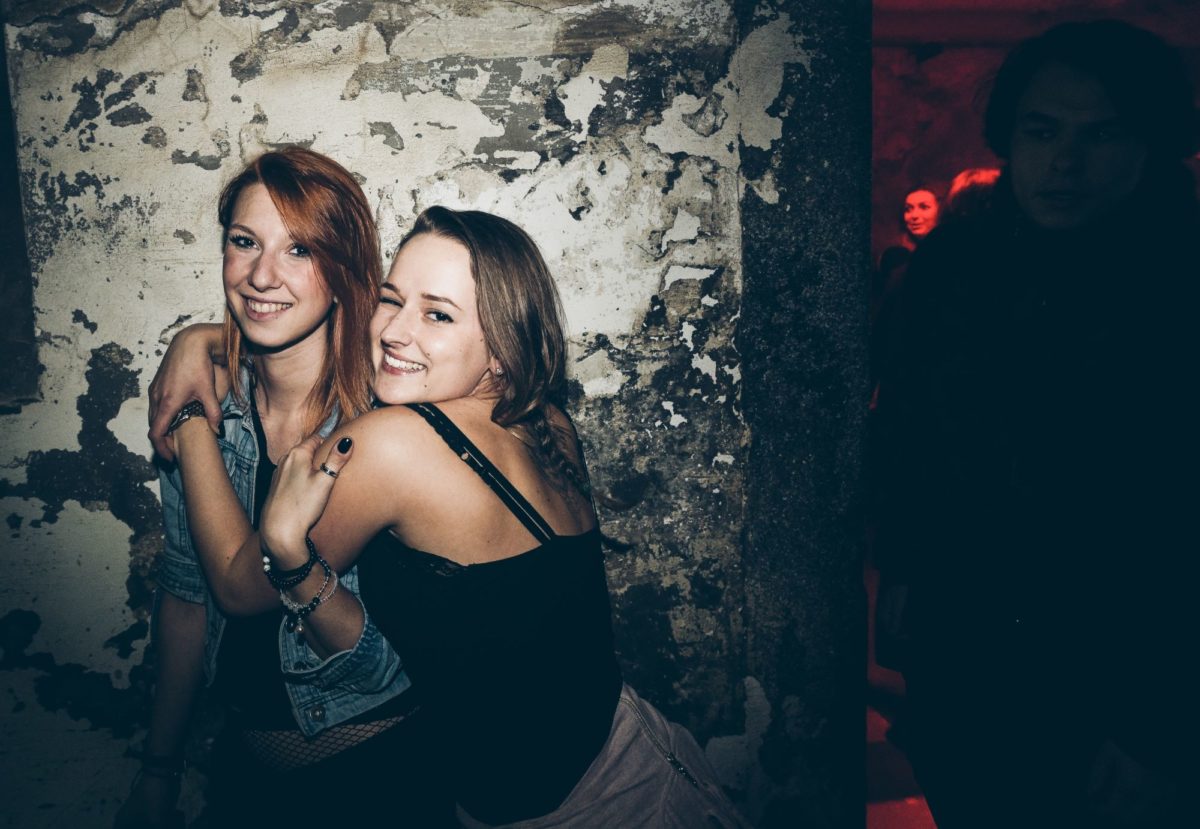
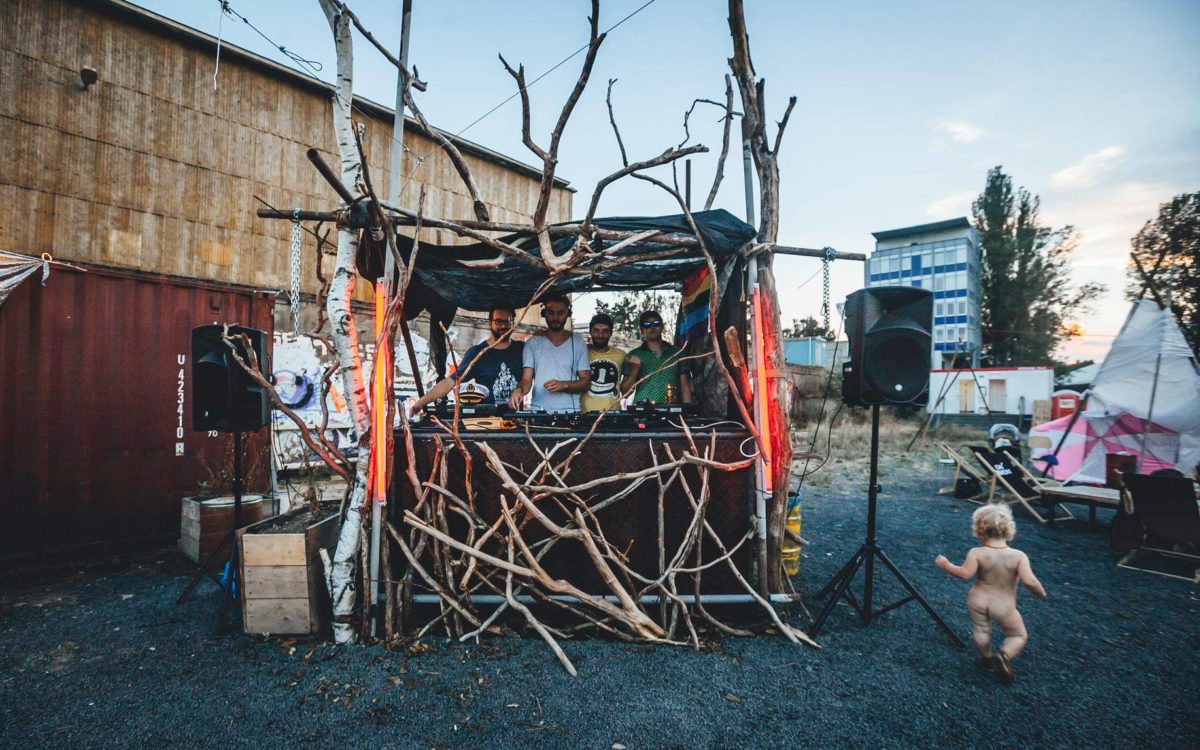
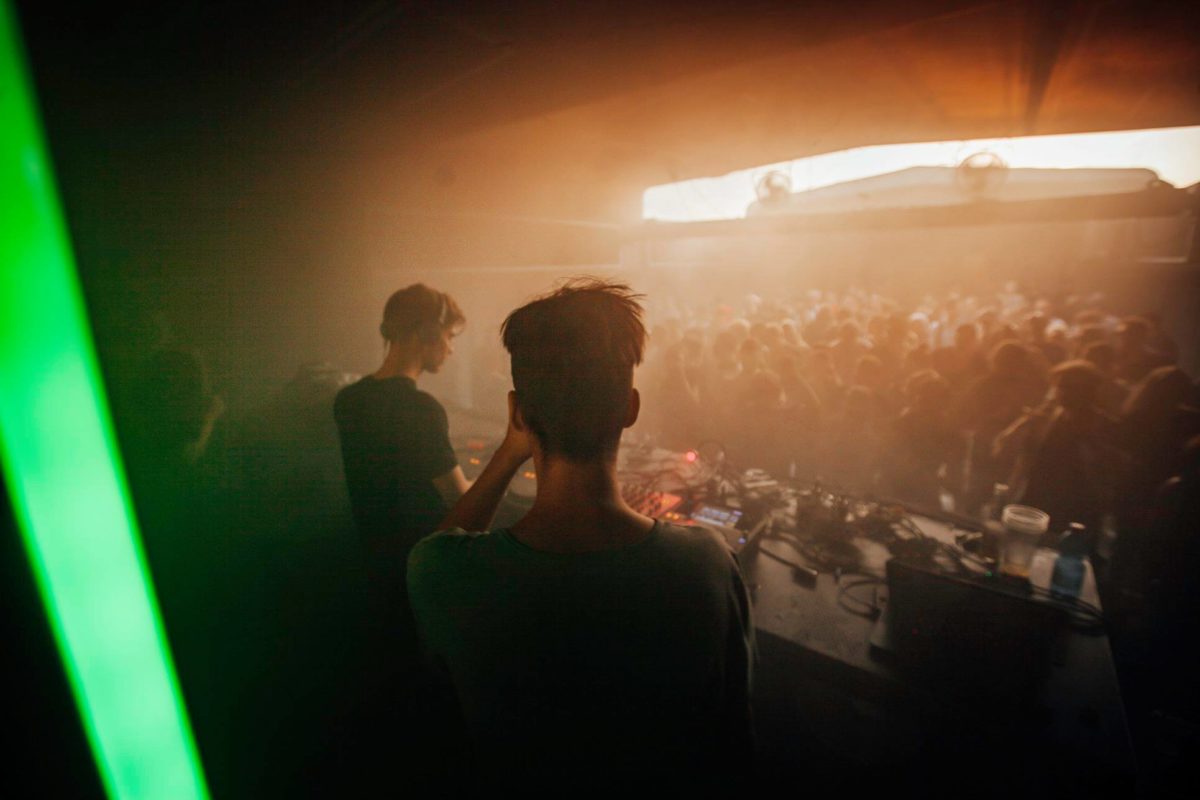
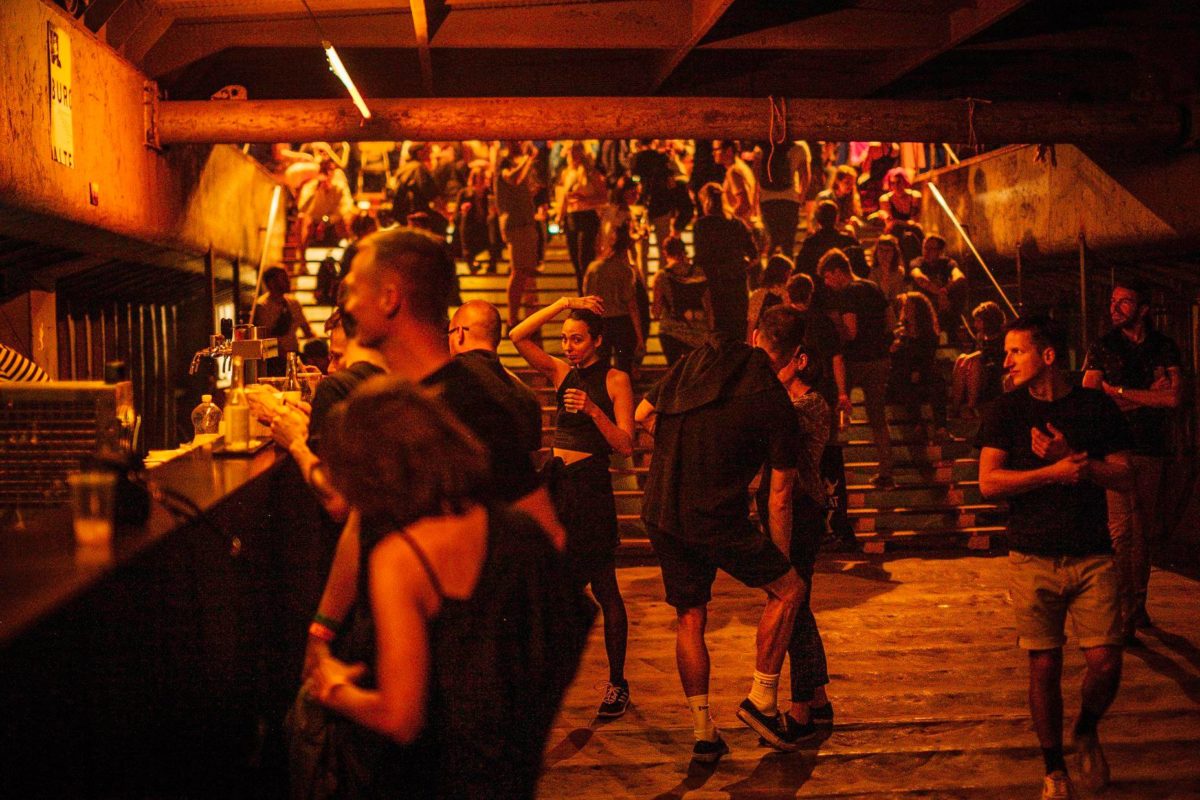
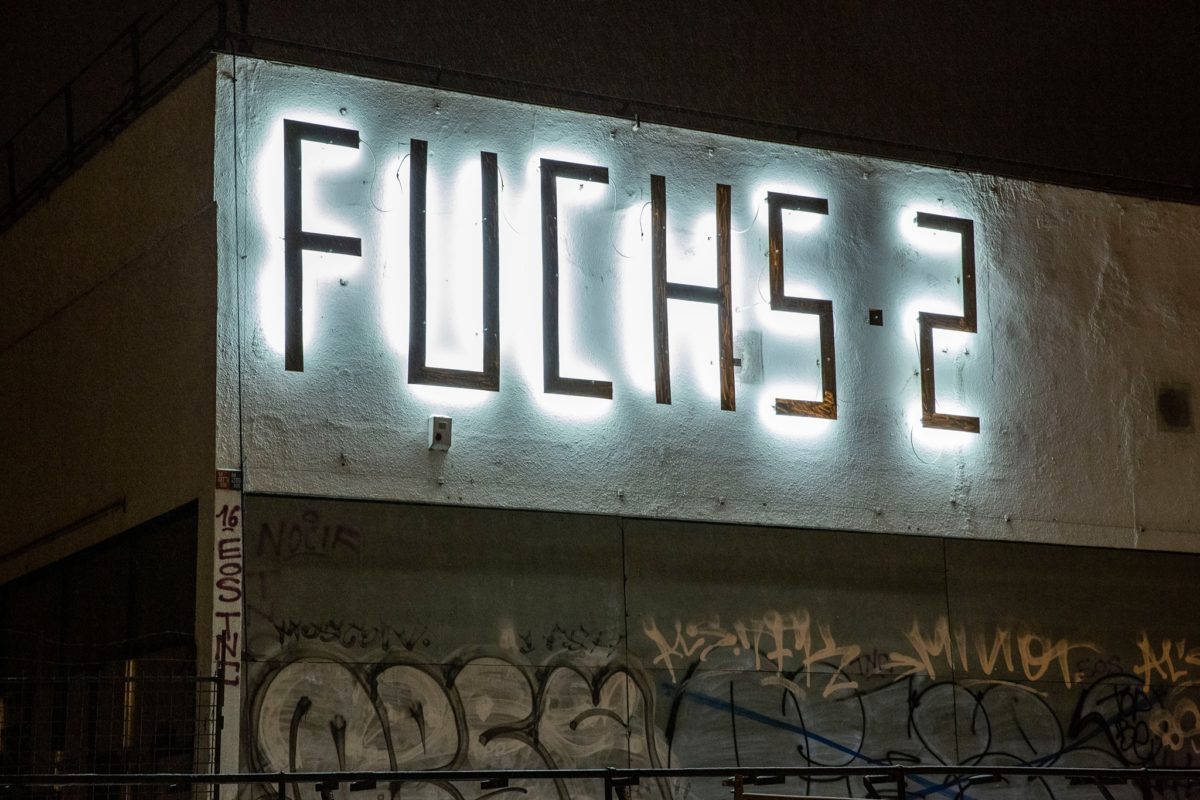
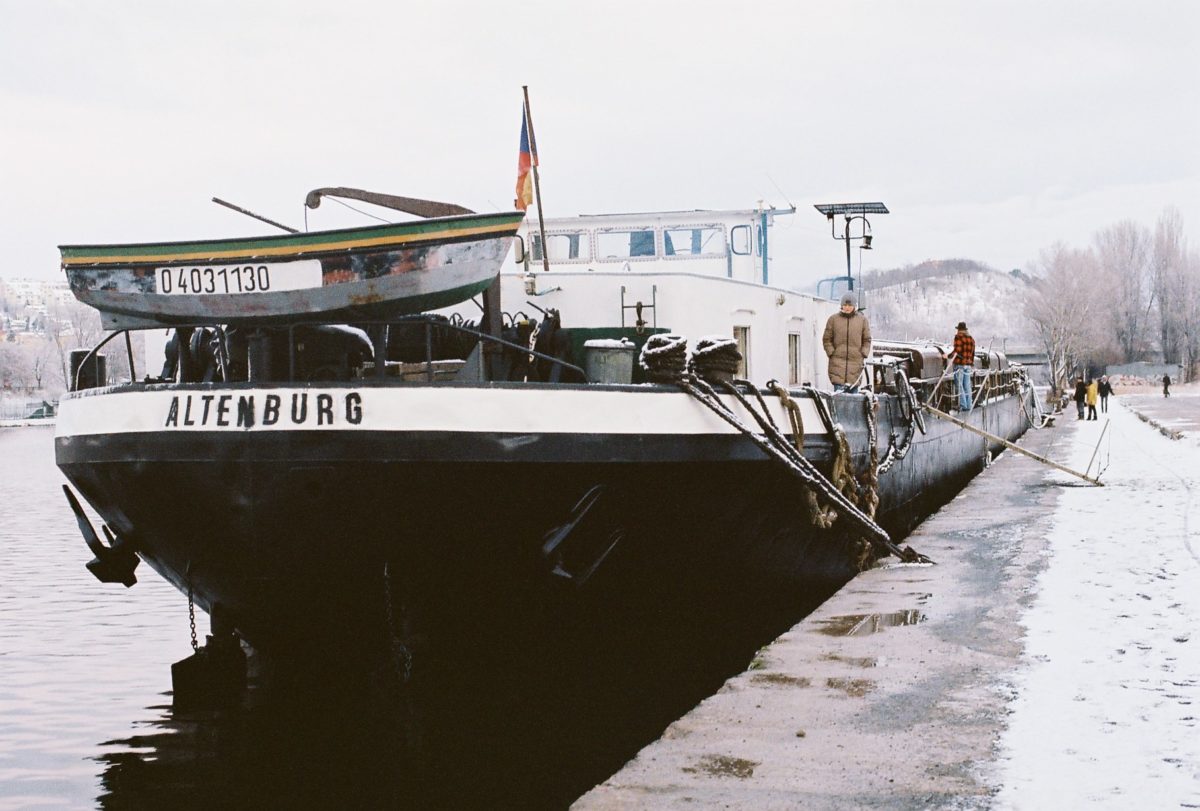
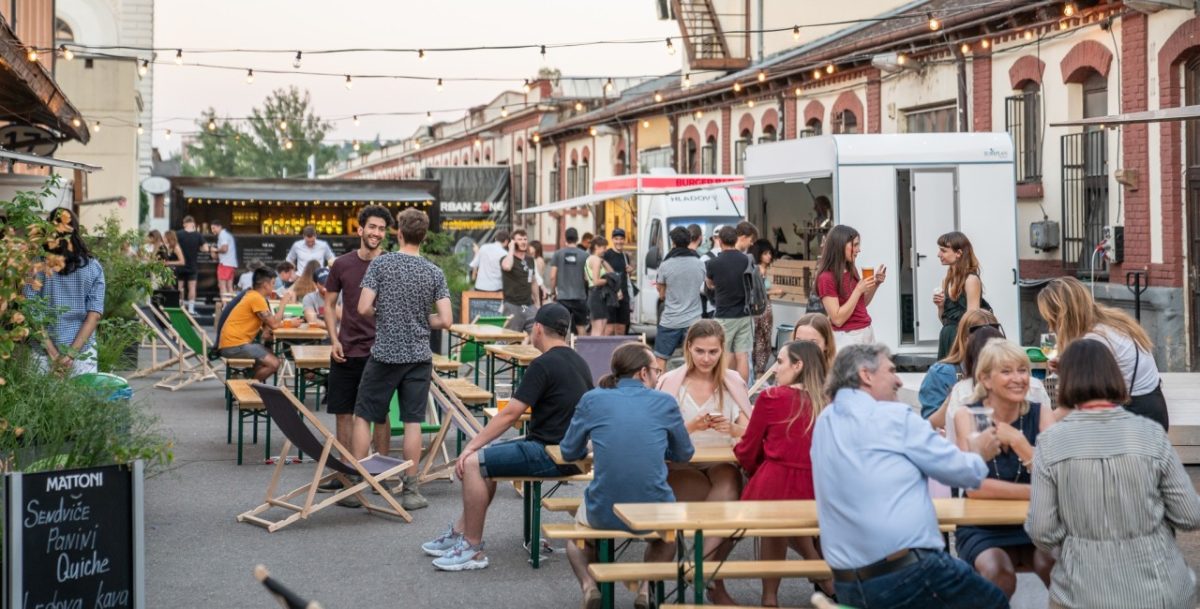
Holešovice has seen a real boom in nightlife in recent years, especially electro and techno clubs! La Mecca (three floors, two stages, and five bars), a club dedicated mainly to house music, is not as popular as it used to be (open occasionally, check the program). The Cross Club, with its steampunk decor, stays open every night of the week until the early hours of the morning, thanks to its eclectic electronic music program (drum «n» bass, jungle, breakbeat, dub, etc.). But a fresh wind has been blowing through Holešovice lately, and many new electronic music clubs have opened their doors, attracting Prague’s youth every weekend. Among these new venues is Burza #4, a «cultural garden» on the quayside within the market grounds mentioned earlier in the article. Or Centrála, a bar-club between concrete and neon lights, also close to the river. In fact, you can get even closer to the river, as the Altenburg 64 club is located on a barge (like Bukanyr on the right bank, but only in good weather) and Fuchs 2 (don’t be fooled by its desolate appearance, it is open!) is located in the middle of the bridge connecting the two banks above Štvanice Island.
In recent years, many electro clubs have sprung up in the river bend or even on the river itself, such as Altenburg 64.
On the island, you can have a drink at Vila Štvanice, which is also a theater and concert hall. I like to go there in the summer to sit on the terrace because the place is really cut off from the world (another very nice outdoor spot on the other side of the island when the weather is nice is Baden Baden). At the bottom of the long road leading to the Sparta football stadium, you will also find the Cobra bar with its raw decor, cocktails, and DJ lineup. For a more relaxed atmosphere, head to Cafe Letka with its raw environment where you will immediately feel at ease. In Letná Park, under the metronome that has become one of the coolest skate spots in Europe, Stalin welcomes hundreds of young people on sunny days to drink beer and listen to DJ sets. Finally, the café at the Bio OKO indie cinema is also very lively in the evening as Kolektor in Veletržní palác, and a little further down the same street you can discover Czech wine at Vinotéka Sklípek Vaše Vino (Františka Křížka 26). There’s no shortage of places to go out in Holešovice! And if you’re a backpacker, I recommend Sir Toby’s Hostel with its antique-furnished rooms and beautiful parquet flooring. It has a very cool atmosphere with a pub in the basement and a weekly barbecue!